The mindset we practise
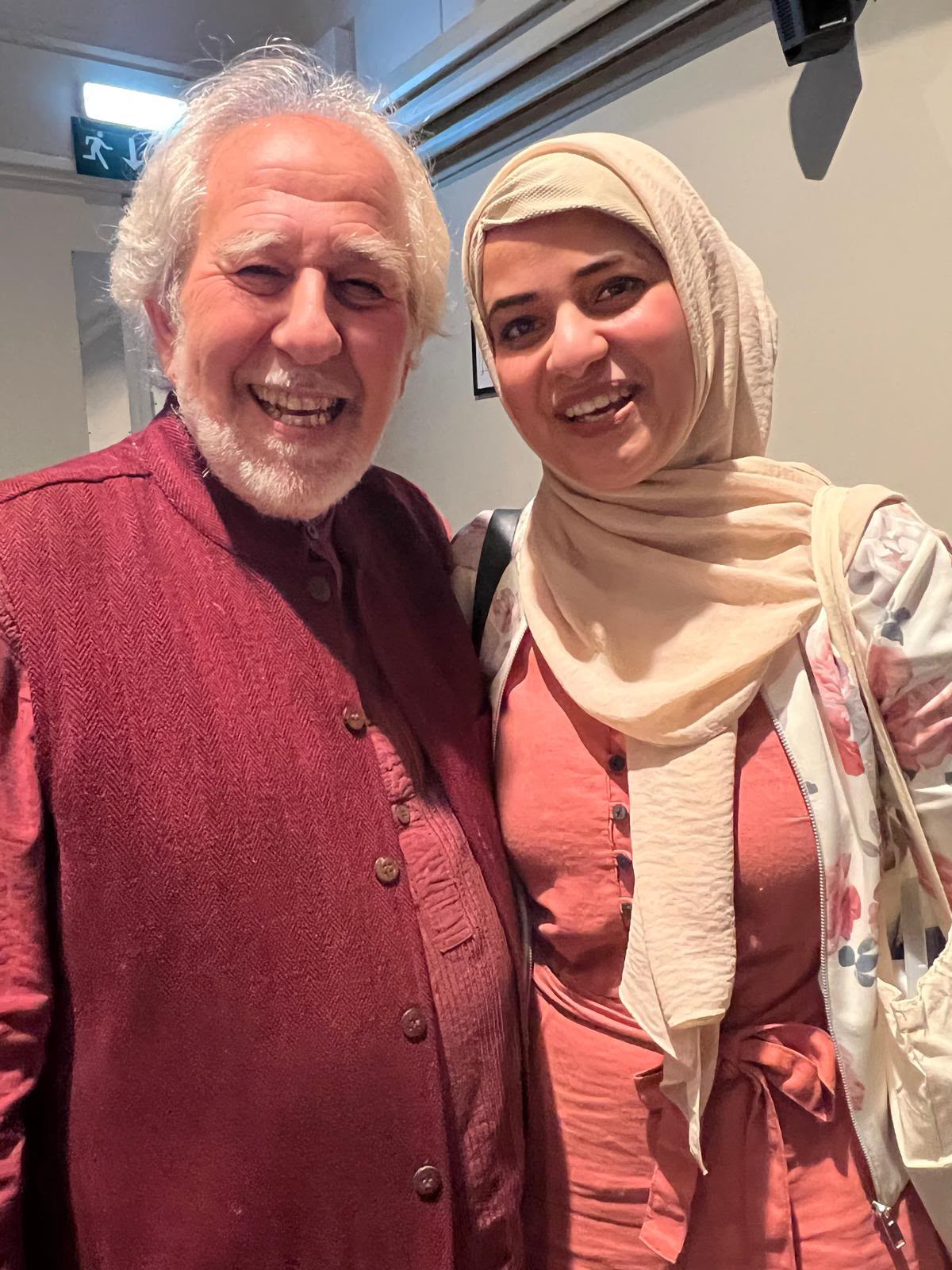
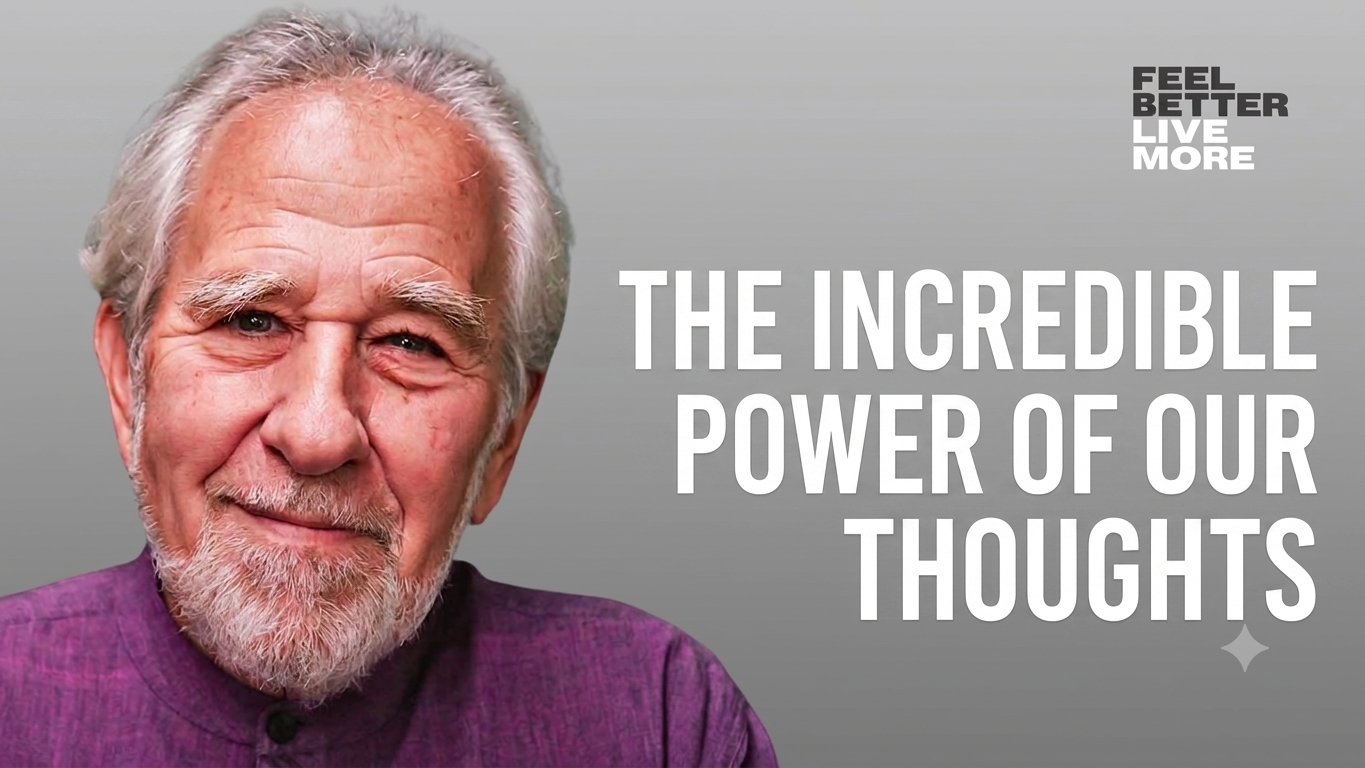
Attending the workshop with Dr. Bruce Lipton was an eye-opening and thought-provoking experience. Known for his work as a cell biologist and his research into how our environment influences our cells, Dr. Lipton shared his perspective on the profound connection between our thoughts, beliefs, emotions, and the quality of our lives.
One of the most powerful messages I took away from the workshop was that our mindset has the potential to shape the direction of our lives. According to Dr. Lipton, our subconscious beliefs and daily thought patterns influence not only our emotions and behaviours but can also affect our physical well-being. The workshop encouraged us to reflect on the remarkable influence that our mental and emotional state can have on our overall health and happiness.
Dr. Lipton emphasised that every thought we repeatedly entertain becomes part of our internal programming. When we constantly focus on fear, stress, self-doubt, or negativity, our bodies often remain in a prolonged state of stress. In contrast, cultivating gratitude, hope, love, and optimism may help create a healthier emotional environment, allowing us to approach life with greater resilience and peace.
Transformation begins within
One of the most inspiring parts of the workshop was when Dr. Lipton shared his own personal journey. He spoke openly about a difficult and toxic relationship in his past and how changing his own mindset transformed not only his outlook on life but also the kind of relationships he attracted. He reflected on how old patterns and beliefs inherited from his father affected his married life. As he developed healthier beliefs about himself and others, he eventually met a loving, supportive life partner who shared his values and vision. His story was a reminder that personal transformation often begins from within.
He also shared how this inner shift positively influenced his relationship with his daughters. By changing the way he thought, communicated, and responded, he was able to build stronger, more meaningful family connections. It was a beautiful example of how changing ourselves can naturally transform the relationships around us.
Mind, body, and well-being
Another important discussion during the workshop focused on health. Dr. Lipton spoke about the body’s remarkable ability to heal and the role that optimism, belief, and reducing chronic stress may play in supporting recovery. He suggested that a positive mindset can complement healthy lifestyle choices and medical care by creating conditions that support the body’s natural healing processes. Although chronic diseases require proper medical diagnosis and treatment, the workshop highlighted the growing recognition that mental well-being, emotional health, and stress management are important components of overall wellness.
The workshop left me reflecting on a simple yet profound question: What if changing our thoughts could change the course of our lives?
Choosing a new response
Whether it is improving our relationships, overcoming limiting beliefs, building confidence, or supporting our physical and emotional well-being, our mindset undoubtedly influences the choices we make every day. We may not control every circumstance life presents, but we can choose how we respond to those circumstances.
I walked away from the workshop feeling inspired to become more aware of my own thought patterns, to replace self-limiting beliefs with empowering ones, and to intentionally cultivate gratitude, compassion, and positivity. Small shifts in thinking can lead to meaningful changes over time.
My biggest takeaway from this experience is that lasting transformation begins within. When we nurture our minds with positive thoughts, kindness, hope, and purpose, we create a stronger foundation for a healthier, happier, and more fulfilling life.
“As Dr. Bruce Lipton reminded us throughout the workshop, the story we tell ourselves every day has the power to shape the life we ultimately create.
Take what feels useful. Let the rest settle gently.
Your experience is personal. Read slowly, pause when you need to, and return to any idea that speaks to you.